
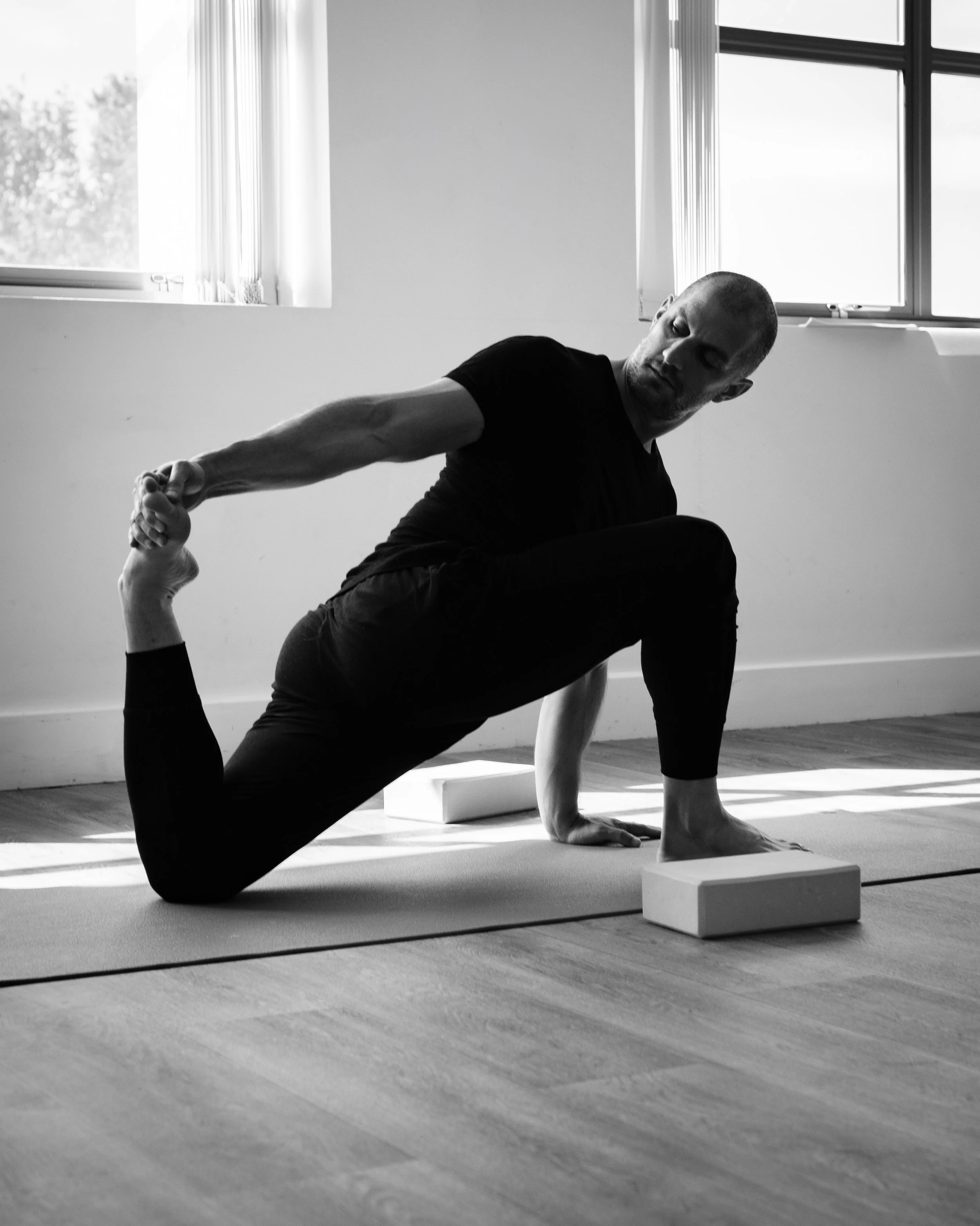
Humans at Work.
Long hours at a screen mean long hours in one position, and how long someone holds a position is what adds up.
Desk work isn't dangerous. Staying still for long periods is what accumulates. A person can hold a good position badly for six hours and a bad one well for twenty minutes, and it's the six hours that shows up in the physio referrals.
Ergonomic chairs and stand up desks give people the option to move, but they don't teach anyone what to do with it.
That's the gap this training fills, and it's the reason equipment budgets and absence figures often move in the same direction.
The research on physical comfort at work points consistently in one direction, and it splits into two costs that arrive on different timescales:
-
Musculoskeletal strain from sustained positions accumulates into pain, and pain becomes short-term absence before it becomes long-term absence. Environmental load adds to it, so poor air, poor light and constant noise drain people over a day in a way that shows up in sickness records over a quarter. Fatigue from physical strain needs recovery time, and recovery time gets taken as leave.
-
This one arrives sooner and costs more. Discomfort interrupts concentration, so people lose the thread of work they'd otherwise finish. Spending a day managing a background physical annoyance is mentally expensive, and people who are doing that check out while still at their desks. There's a signalling effect on top: a workplace that treats physical comfort as unimportant tells people something about how they're regarded, and that reaches motivation before it reaches anyone's HR system.
Presenteeism is the expensive half. Absence is visible and gets managed. Someone present, uncomfortable and half-attending costs more across a year and appears in nobody's report.
Why us
We get it. A career at a desk with constant deadlines, neglecting the niggle in your lower back because “just one more email”. There’s always another email or deadline, but only one body.
Fifteen years designing learning and development for people in high-stakes environments set the standard for what counts as effective training: clear outcomes and honest measurement. That standard runs through a lunchtime workshop and a full programme alike.
What we won't claim
We won't tell you our workshop reduces your absence figure. The research says the problem is real and expensive. Though it doesn't let us claim a specific engagement moved your specific number, and anyone showing you that arithmetic in a first meeting is guessing.
What we'll show you is what your people could do before and after, in their own measurements, and the aggregate change across the group. You decide what that's worth against what the problem is currently costing you.
What it costs
Workshops from £650. Programmes and retainers are scoped and quoted. Travel within Essex and London included. Online delivery is the same price.
What we need from you
A room where people can stand and move their arms without hitting each other. Twelve to twenty people works best for a workshop. Sixty minutes is the minimum, ninety is better.
Frequently Asked Questions
Still have questions? Take a look at the FAQ or reach out anytime for anything else.
-
No. Sessions are built to work in what people came to work in.
-
Up to twenty for a workshop. Above that the individual correction goes, so we'd rather run it twice.
-
Yes. Movement work online loses some individual correction and gains attendance from people who'd never have booked a room. For distributed teams that's usually the better trade.
-
A short structured assessment plus a questionnaire, taking about twenty minutes per person. Individual results go to the individual. You receive the aggregate.
-
Yes. Standard terms, insurance and risk assessment documentation available on request.